
OSCE Help
10 Tips to Prep for Success
6 min read • Study Tips • Updated May 2026
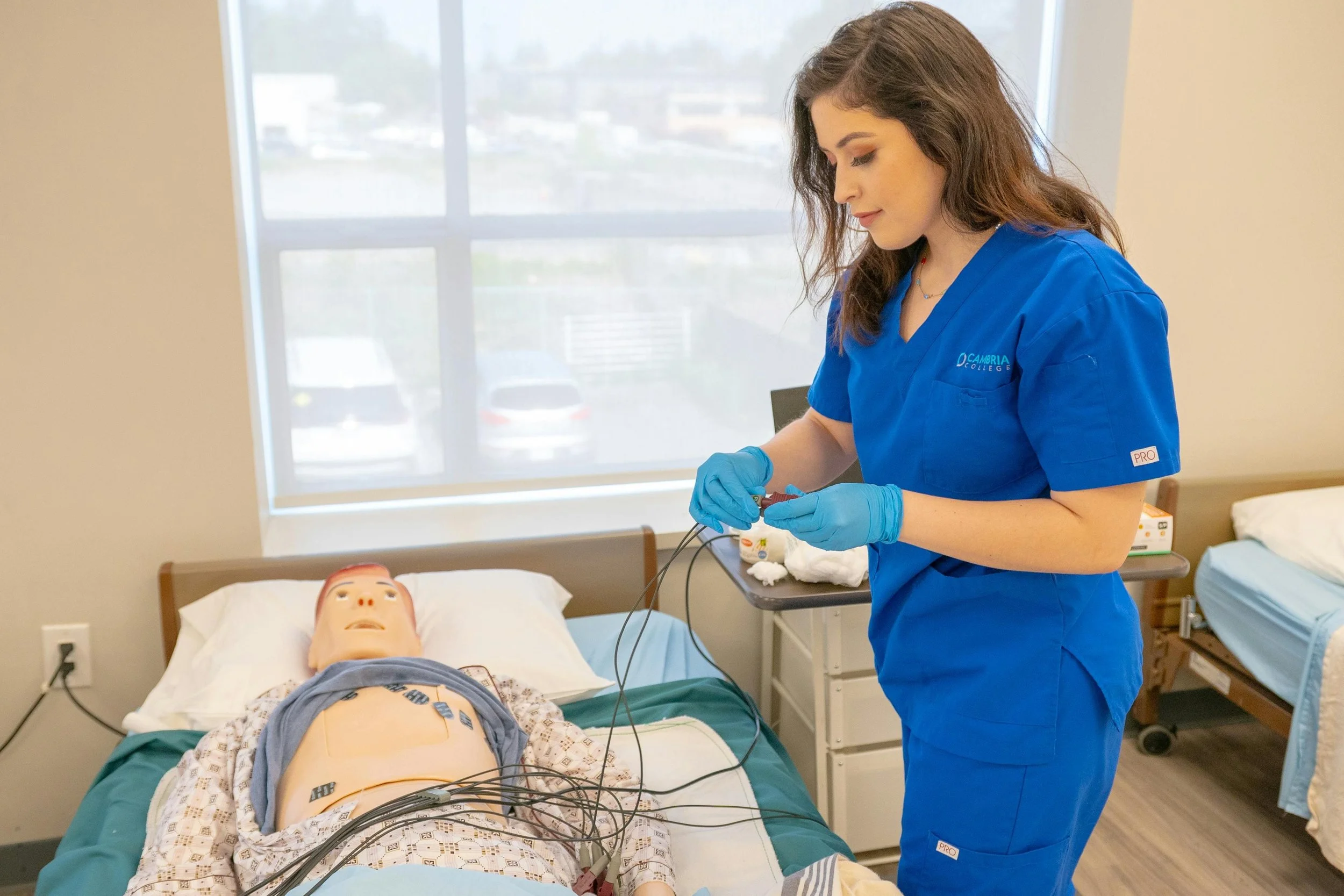
Performing clinical skills while someone assesses you can be one of the most stressful parts of your whole degree.
The good news is that OSCEs are rarely about perfection. Examiners are usually looking for safe practice, clear communication, clinical reasoning, and confidence in basic nursing skills.
Here are 10 practical tips to help you prepare effectively.
What is an OSCE?
OSCE stands for Objective Structured Clinical Examination. You might also know them as “practical exams” or “clinical assessments”.
In Australian nursing degrees, OSCEs are commonly used to assess clinical skills, such as:
Vital signs and patient assessment
Medication administration
Wound care
Deteriorating patient situations
But don’t forget, they are also usually assessing:
Patient Safety
Communication skills
Clinical Reasoning
Professionalism
OSCEs can feel intimidating, but remember: they are designed to assess whether you can practice safely - not necessarily perfectly.
1. Know the Marking Criteria
Before your OSCE, read the assessment criteria carefully so you know exactly what you are being graded on.
Pay particular attention to:
Hand hygiene
Patient identification
Consent
Infection control and aseptic technique
Patient safety checks
These are often heavily weighted.
2. Practice Out Loud
Reading through a skill in your head is not enough.
OSCEs require you to speak clearly, communicate professionally and think while performing tasks.
The best preparation is physically practising the skill while talking through it aloud.
For example:
Introduce yourself to the patient and perform hand hygiene
Confirm patient identity
Explain the procedure
Gain consent
Perform the skill step-by-step
This may feel awkward initially, but practising repeatedly can dramatically improve confidence and fluency during the exam.
3. Focus on Safety First
Examiners want to see that you prioritise patient safety, recognise risks and respond appropriately.
You are likely to lose big marks for:
Forgetting hand hygiene
Incorrect patient identification
Breaking aseptic technique without acknowledging
Unsafe medication checks
When in doubt, slow down and prioritise patient safety.
4. Use a Consistent Routine
Having a mental checklist can help reduce panic during an OSCE.
Many students perform better when they follow the same structure every time. For example:
Before the skill
Hand hygiene & introduce yourself
Confirm patient identity
Explain procedure
Gain consent
During the skill
Communicate clearly and reassure patient
Maintain safety
After the skill
Ensure patient comfort and call bell within reach
Dispose of equipment safely
Perform hand hygiene
Document appropriately
Consistent routines develop “muscle memory”, and reduce the chance of forgetting important steps under stress.
5. Communicate Naturally and Clearly
Yes - it can feel awkward speaking directly to a manikin during an OSCE. Try to communicate as naturally and professionally as you would with a real patient by explaining procedures, giving reassurance, and talking through what you’re doing.
Clear communication helps demonstrate confidence, professionalism, and patient-centred care.
6. Practice Under Pressure
A skill that feels easy alone can suddenly feel difficult when timed or observed.
Try practising:
With a timer
In front of friends
In the clinical lab
In full exam order
The more realistic your practice feels, the less overwhelming the actual OSCE becomes.
7. Practise Using Common Clinical Language
Professional communication matters in practical exams.
Get comfortable using phrases like:
“Can you please confirm your full name and date of birth?”
“I’m just going to perform hand hygiene.”
“Do you have any pain or discomfort?
Simple, calm communication makes you appear more confident and competent.
8. If You Make a Mistake, Don’t Panic
Almost every student makes small mistakes during OSCEs.
What matters most is how you respond.
If you forget something:
Pause
Acknowledge and correct it safely
Continue calmly, and try not to dwell on it.
Often, students lose more marks from panic than from the original mistake itself.
Examiners understand nerves. They are usually looking for safe practice — not perfection.
9. Prepare Properly The Night Before
Last-minute cramming often increases anxiety.
The night before your OSCE:
Review key steps
Prepare your uniform and equipment
Check exam details
Get enough sleep
Eat properly
Avoid comparing yourself to other students
Walking in exhausted and stressed makes it much harder to think clearly.
10. Practise, Practise Practise: Confidence Comes From Repetition
Clinical confidence develops gradually through:
Skills labs
Placements
Repetition
Mistakes and feedback
Use class time wisely. Practise effectively with your peers, and seek feedback. If you have the opportunity to book practise times in the sim lab, get in early to secure your times. Choose your practise partners carefully; try and pick peer/s at a similar level to you who will give you honest feedback.
OSCEs can feel daunting, but remember that they are designed to ensure that you are a safe practitioner.
The more you practise, the more confident and prepared you’ll feel on exam day.